Gyokuro and matcha are both considered among the finest teas in Japan, and they’re often mistaken for one another. While their growing methods are similar, they’re actually quite different teas — from how they’re processed, to how they’re brewed, to the water temperature used.
In this guide, we’ll walk through what these two teas have in common, along with three key differences between them. By the end, you’ll have a deeper understanding of each tea’s unique character, and be able to choose the right one for any occasion.
Where Gyokuro and Matcha Overlap
Gyokuro and matcha actually share a common root: a growing method known as oishita saibai, or “shade cultivation.”
About two to three weeks before harvest, the tea plants are covered to block out sunlight. This slows the production of catechins (which create bitterness) while allowing theanine (which creates umami) to build up in the leaves. This process is what gives both gyokuro and matcha their distinctive rich aroma — often called “shade aroma” — along with a strong umami flavor and mellow sweetness.
In other words, gyokuro and matcha start from the same growing method, but from there, their paths diverge significantly.
Key Difference 1: How They’re Processed
Tea leaves grown using the shade cultivation method can become either gyokuro or matcha, depending on how they’re processed after harvest.
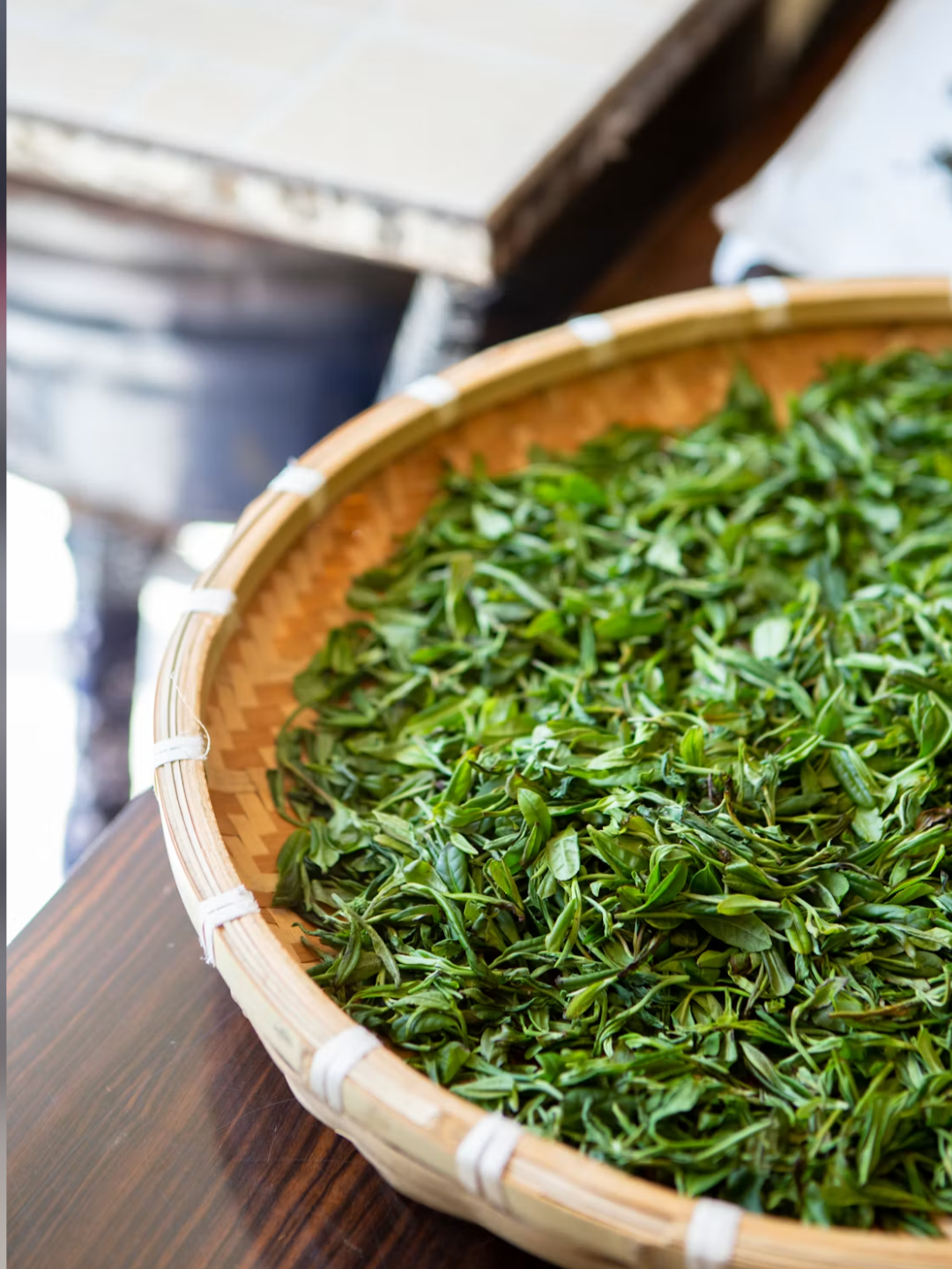
Gyokuro leaves are steamed and then rolled while drying, shaping them into thin, needle-like strands. This rolling process helps draw out the leaf’s flavor gradually and gently.
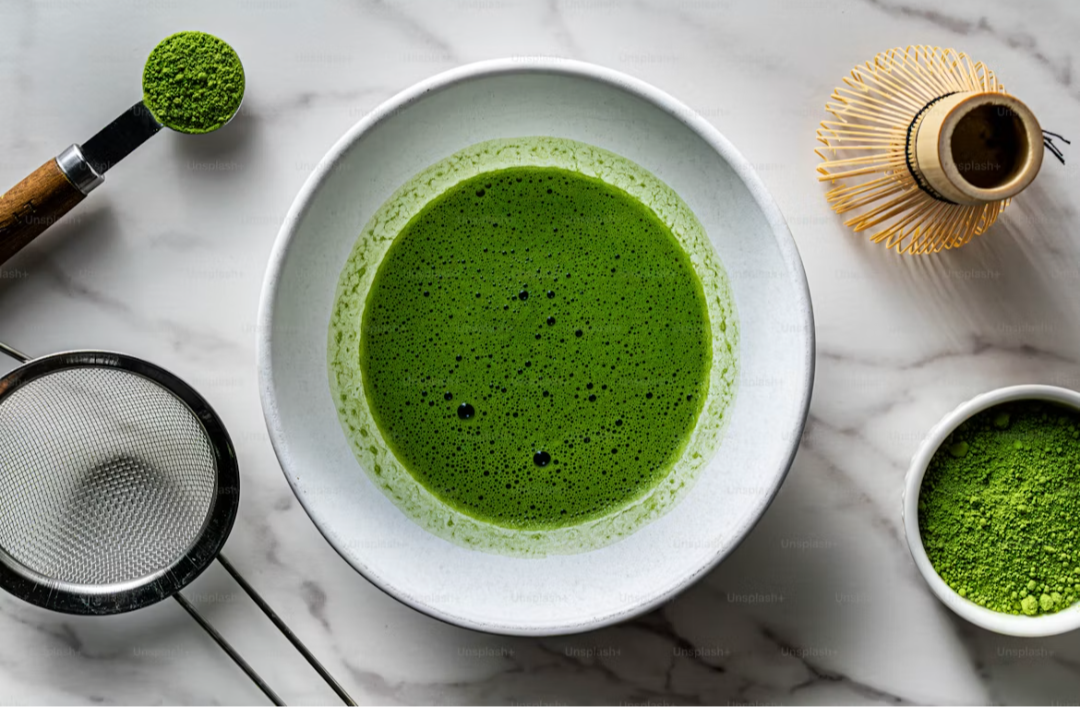
Matcha, on the other hand, is made from steamed leaves that are dried without rolling (this dried leaf is called tencha). The dried tencha is then slowly ground using a traditional stone mill into a fine, smooth powder.
In other words, even though gyokuro and matcha start from the same type of leaf, the way they’re processed — rolled versus ground into powder — results in two completely different teas.
Key Difference 2: How They’re Brewed and Consumed
The difference in processing also leads to a difference in how each tea is enjoyed.
Gyokuro is brewed by pouring hot water over the leaves in a teapot and allowing the flavor to slowly steep out. Once brewed, the leaves themselves are removed, and only the extracted liquid is consumed.
Matcha, on the other hand, is made by dissolving the powdered leaf directly into hot water and whisking it with a chasen. Nothing is removed — you consume the entire leaf, absorbing all of its nutrients in the process.
Because of this, gyokuro could be described as a tea you enjoy for its extracted essence, while matcha is a tea you enjoy in its whole form.
Key Difference 3: Water Temperature
The ideal water temperature for gyokuro and matcha also differs significantly.
Gyokuro is brewed slowly at a low temperature of around 50–60°C (122–140°F). Steeping at a lower temperature limits how much catechin (the bitter component) is extracted, while drawing out as much theanine (the umami component) as possible.
Matcha is whisked with water at around 80°C (176°F). Since you consume the whole powdered leaf, some bitterness comes through naturally — but whisking it properly with a chasen creates a smooth, mellow texture. A hotter temperature is also needed to help the powder dissolve smoothly and produce a fine, silky foam.
In short, each tea has its own ideal brewing temperature, designed to bring out its unique character.
So, Which One Should You Choose?
As we’ve seen, gyokuro and matcha come from the same shade-cultivation roots, yet differ significantly in three key ways: how they’re processed, how they’re brewed, and the water temperature used.
Interestingly, within Japan, gyokuro — not matcha — has traditionally been regarded as the most prestigious tea, often served to honored guests on special occasions. Outside Japan, however, matcha is far better known and has become a global trend. In other words, gyokuro is something of a hidden gem — the tea that Japanese people themselves have long treasured the most.
-When to Choose Gyokuro–
When you want to slow down and savor a quiet moment
When you’re craving a deep, delicate umami flavor
When you’re ready to experience a truly prestigious Japanese tea, beyond matcha
-When to Choose Matcha-
When you want an easy way to enjoy authentic Japanese tea
When you want to consume the whole leaf and all its nutrients
When you’re in the mood for a matcha latte, baking, or other creative uses
If you already love matcha, consider gyokuro your next step. It’s a chance to discover another treasured Japanese tea — one that has quietly held its place at the top for centuries.
コメント